
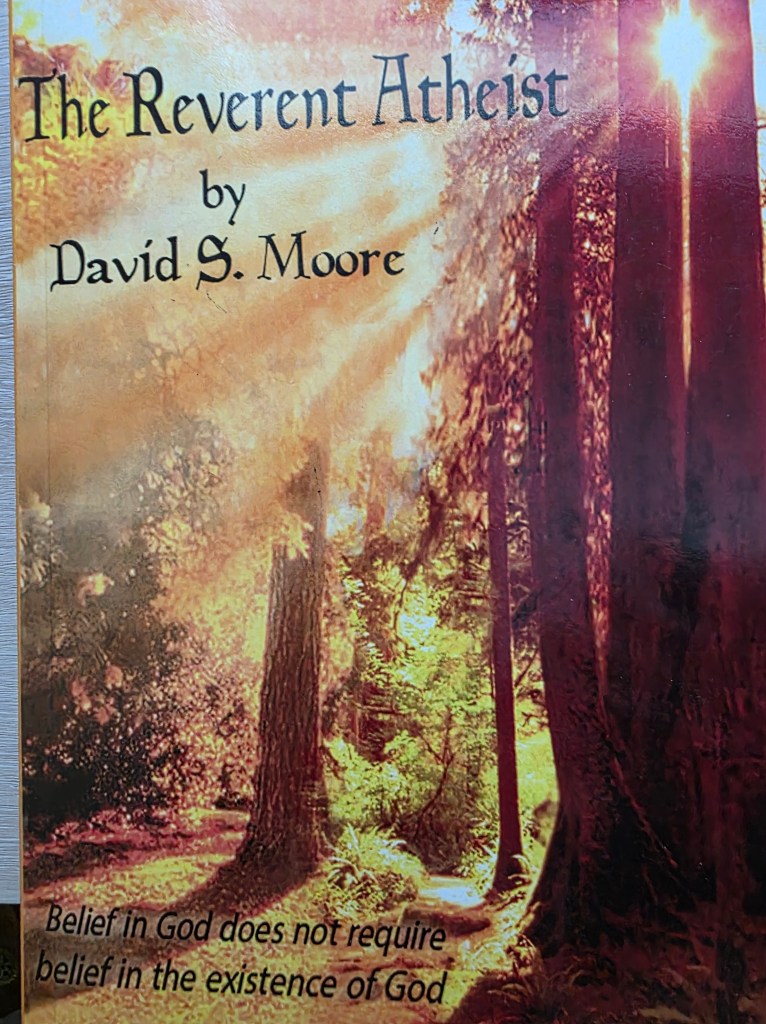
Here is a link for purchasing the book: https://a.co/d/0eBUTBSo
This book seeks to discover the role of religion in society, the sources of religious knowledge, and the philosophical bases for that knowledge. It does so in the following series of steps:
Step 1: What role has religion played in human society, and why has it persisted as a key component of society from the very earliest times to the present day?
a) What benefits does religion return to its followers and to people in general?
b) What is the relationship between religion generally and knowledge? The history of astrology is considered as a key example of a system of belief that has persisted for almost 5,000 years.
c) Religious excesses: When and why has religion had negative impact on society?
Step 2: Example: An analysis of Christianity considered as a case study. Here are some of the questions that are considered and answered:
- Is there such a thing as “the” Bible?
- Is the Bible truly the word of God?
- Why does the Christian faith have such a deep commitment to the “things unseen,” and are they real?
- What are the key affirmations of the faith?
Step 3: What can humans truly know about God?
a) The avenues to God:
- Incarnation
- Miraculous manifestations
- Propitiation
- Scriptures
- Secret teachings
- Mandate
- Judgment
- Introspection
- Revelation
c) The duties of religious followers: Must we follow the moral teachings of a religion? Can we know with certainty that the moral code on which a religion is based is derived from the divine? Are there any moral teachings that are antiquated, or out of step with the times?
d) The creation of the world: Must not the universe have been created by the conscious effort of a divine being? Doesn’t the biblical story of the creation tell us exactly how and why the universe was created?
e) The existence of God: Can it truly be said that God exists in the same sense in which we say that a chair or a table exists? Is it essential to belief in God to believe that God exists? Or is it possible to believe in God but to disbelieve in the existence of God?
Step 4: Can reason bring us knowledge of the divine?
a) Does reason inevitably lead to moral relativism?
b) Does reason in and of itself have any answers to the benefits of religion as identified in Step 1?
 David S. Moore: Insights & Innovations